Guildford North Street rubbish collection guide
Posted on 27/07/2026
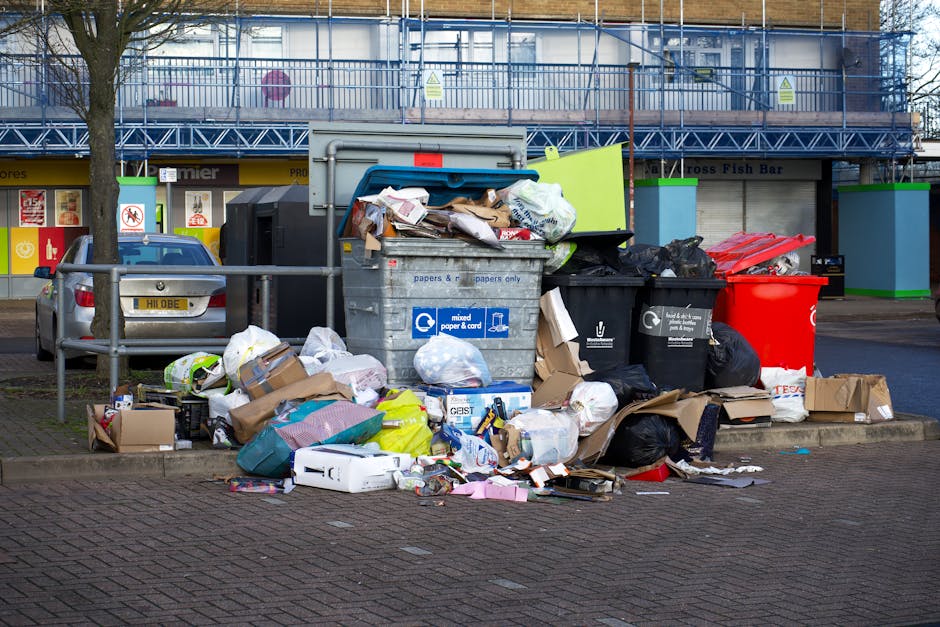
If you are trying to sort out rubbish on or near North Street in Guildford, you probably want a straight answer, not a lecture. Fair enough. This Guildford North Street rubbish collection guide explains how rubbish collection typically works in the area, what to do when waste piles up faster than expected, and how to choose the right disposal option without making a mess of it.
North Street is one of those places where life feels busy, practical, and slightly compressed. Flats, shared properties, shops, offices, tradespeople, and short-term clear-outs can all create waste at the same time. One morning it is a couple of black bags. By Friday it is a sofa, broken shelving, and a garden bag that has somehow become three garden bags. This guide walks you through the sensible way to handle it, from collection planning to compliance and cost control.
Whether you are a resident, landlord, tenant, business owner, or someone in the middle of a move, the goal is the same: get rid of waste safely, quickly, and legally. And ideally without spending your whole weekend thinking about bin liners.
Quick takeaway: the best rubbish collection plan is the one that matches the type of waste, the access at your property, and the time you have. That sounds obvious, but you would be surprised how often people skip one of those three things.
Why Guildford North Street rubbish collection guide Matters
Rubbish collection sounds simple until you need it to happen in a real street with real people, limited space, awkward stairwells, and a vehicle that cannot just stop wherever it likes. North Street, like many busy parts of Guildford, benefits from a tidy, predictable approach because waste left too long becomes more than an eyesore. It can block shared access, attract pests, create smell, and make neighbours understandably unhappy.
There is also the practical side. If you are clearing a property, changing tenants, fitting out an office, or getting ready for a sale, waste can slow everything down. A room full of old furniture or builder's debris is not just untidy; it gets in the way of the next job. In local property work, that matters more than people expect. If you are dealing with a move or renovation, it is worth understanding the wider context of local property decisions too, which is why some readers also find this Surrey property buying and selling guide helpful when timing a clearance around a sale or purchase.
For businesses on or near North Street, the need is even sharper. Office waste, packaging, broken stock, and refurbishment debris can build up quickly. The problem is not just volume. It is timing. A shop or office cannot always wait for a leisurely tidy-up next week. Sometimes the space needs clearing today. That is where a more responsive rubbish collection plan earns its keep.
Another reason this guide matters is that waste types are not all treated the same. Mixed household junk, green waste, builders' rubble, electrical items, and bulky furniture each come with different handling expectations. Get that wrong and you risk extra charges, delays, or an awkward second visit. Nobody wants that. Nobody.
How Guildford North Street rubbish collection guide Works
In practical terms, rubbish collection in the North Street area usually starts with identifying three things: the waste type, the quantity, and the access. Those three details shape almost everything else. A single mattress is a very different job from a flat clear-out with mixed contents, and both are different again from post-renovation debris.
Most collection jobs follow a fairly simple process:
- Assess the waste - note what needs removing, what can be recycled, and whether anything is hazardous or unusually heavy.
- Check access - think about stairs, lifts, parking restrictions, loading points, and whether items are in a basement, loft, or rear garden.
- Choose the collection method - a small household pickup, full rubbish clearance, targeted bulky-item removal, or a broader waste removal service.
- Prepare items for pickup - bag loose waste, separate sharp items, unplug appliances, and keep pathways clear where possible.
- Remove and sort - the waste is collected, loaded, and separated as appropriate for recycling, reuse, or disposal.
- Dispose responsibly - the final destination should depend on the material stream, not on convenience alone.
A good provider will not just "take it away" and call it done. They should think about loading safety, recycling potential, and the small but important details that make the collection efficient. If you are comparing service levels, you may want to look at the broader services overview to see how different waste needs are typically grouped.
In the North Street area, timing can be a factor too. Early collection slots are useful for businesses that need to keep entrances clear. Later-day visits can be more convenient for residents who are out during work hours. A bit of flexibility goes a long way, especially when loading space is tight and neighbours are close by.
Key Benefits and Practical Advantages
The obvious benefit is that the rubbish is gone. But the real value is bigger than that. A well-run rubbish collection gives you back time, protects your space, and reduces stress. That is especially noticeable in busy central locations where waste seems to have a talent for blocking the wrong thing at the wrong moment.
- Less disruption: You avoid repeated trips to the tip, repeated lifting, and repeated "I'll deal with it tomorrow" delays.
- Better presentation: This matters if you are renting out, selling, trading, or simply trying to keep a property looking cared for.
- Safer access: Clear corridors, stairways, and shared entrances reduce trip hazards and awkward bottlenecks.
- More recycling potential: A careful collection process can separate reusable and recyclable material rather than mixing everything together.
- Cleaner handover: Landlords, agents, and business owners often need a tidy finish before the next occupant arrives.
There is also a quieter benefit that people often mention only after the job is done: relief. Not dramatic relief, just the normal human kind. The place feels lighter. You hear the street again. You notice the floorboards, the light, the space. Small thing, but it matters.
For those focused on sustainability, the waste journey matters as much as the collection itself. You can read more about the approach on recycling and sustainability, especially if you are trying to reduce the amount that ends up as general waste.
Who This Is For and When It Makes Sense
This guide is for anyone dealing with rubbish around North Street who wants a practical route forward. That includes homeowners, tenants, landlords, letting agents, shop managers, office managers, builders, and anyone in charge of a one-off clear-out.
It makes sense to arrange collection when:
- you have more waste than the regular bin service can handle;
- you are moving in or out of a flat or house;
- you need to clear bulky furniture or old appliances;
- you are refreshing a shop, office, or rental property;
- you have garden waste after a tidy-up;
- you are finishing a renovation and the site is cluttered with offcuts, packaging, and rubble.
For example, a landlord with a flat above North Street might only need a quick clearance after a tenant leaves behind a couple of wardrobes, some bags, and a broken desk. On the other hand, a small business may need office clearance plus packaging waste plus a few damaged fixtures. Same street, very different job.
If the job is primarily household junk, house clearance support may be the more suitable route. If it is business-related, the needs are different again, and an office clearance service can be a better fit.
Step-by-Step Guidance
If you want the simplest possible way to approach rubbish collection on North Street, follow this sequence. It keeps things tidy and avoids the usual last-minute panic.
1. Walk through the property and list everything
Do a proper sweep of the space. Open cupboards. Check corners. Look in the loft if you have one, because that is where forgotten things tend to breed quietly. Write down what needs removing and split it into categories: furniture, bags, electricals, garden waste, builder's waste, and anything else unusual.
2. Separate what can stay from what must go
Not every item needs collection. A few things may be sellable, reusable, or suitable for donation. The less you throw away, the less you pay to move. Simple, but easy to overlook when you are in a rush.
3. Identify access issues early
Ask yourself: can large items get out without scratching walls or blocking a narrow stairwell? Is there somewhere legal and practical for a vehicle to stop? Do you need to warn neighbours if the entrance will be busy? A little planning here prevents a lot of shuffling later.
4. Pick the right collection type
Choose the service that matches your waste profile. Mixed rubbish is one thing; builders' debris is another; garden cuttings are another again. If you are handling refurbishment or demolition waste, the specialist route is often best. The page on builders' waste disposal in Surrey is useful if your rubbish is coming from a project rather than a general clear-out.
5. Prepare the load
Bag smaller waste, box loose fragments, and keep sharp or fragile items separated where possible. If you have appliances, make sure they are disconnected properly. And if there are heavy pieces, do not be a hero. Back strain is a poor souvenir.
6. Confirm the price structure
Ask how the work is priced. Some jobs are based on volume, some on the type of waste, some on labour and access, and some on a combination. If something sounds too vague, ask for clarification. Good providers should be able to explain it in plain English. If you want to understand this side better, the pricing and quotes page gives a sensible overview of what to expect.
7. Make the handover smooth
On collection day, keep the route clear, mention anything awkward, and make sure the team knows what is staying and what is going. It sounds basic, but basic is good. Basic saves time.
Expert Tips for Better Results
Here is the part people usually appreciate after they have done the hard bit already.
Tip 1: Sort by material before the team arrives. It speeds up collection and often improves the chance of recycling. Cardboard, metal, wood, green waste, and electricals should not all be treated like one giant pile of mystery.
Tip 2: Clear the first metre of access. A tidy path from the front door to the load point can shave a surprising amount of time off the job. In a narrow North Street property, that can be the difference between a smooth pickup and a slightly fraught one.
Tip 3: Photograph odd items if you are unsure. This is especially useful for bulky or mixed loads. A quick photo helps avoid misunderstandings and, honestly, it is better than describing a broken wardrobe by text while standing in the rain.
Tip 4: Keep an eye on timing around business hours. If you are near a shopfront or office entrance, avoid collection windows that clash with deliveries, peak footfall, or school-run traffic. Little timing choices make a big difference in busy places.
Tip 5: Ask about recycling before you book. Responsible collection should not be an afterthought. If you care about reducing waste, make that clear up front and choose a provider with a cleaner disposal approach. That is usually the better long-term habit anyway.
One more thing: if the job involves household items from a larger move, it can help to think about the whole process, not just the rubbish. Readers who are comparing broader moving decisions often find the advice in this property buying wisdom guide useful for planning around handover dates and deadlines.

Common Mistakes to Avoid
Most rubbish collection problems are avoidable. The same few mistakes come up again and again, which is mildly comforting in a strange way. At least the solution is usually obvious.
- Leaving sorting until the last minute: This creates confusion and slows down collection day.
- Underestimating the volume: A load always looks smaller in your head than it does in the hallway.
- Mixing everything together: Mixed waste is harder to process and can sometimes be more expensive to handle.
- Ignoring access: A van cannot magically squeeze through a blocked entrance, however much we might wish otherwise.
- Forgetting about special items: Mattresses, fridges, paint, and electronics may need different handling.
- Choosing purely on price: Cheap is not cheap if the job is delayed, incomplete, or poorly managed.
Another common issue is assuming that every collection service works the same way. It does not. Some are better for small mixed rubbish jobs, some for bulky items, and some for larger clearances. If you do not match the service to the job, you end up paying in time, money, or both. Not ideal.
Tools, Resources and Recommendations
You do not need fancy equipment to manage rubbish collection well. A few simple tools make the process much easier:
- Heavy-duty bags: useful for loose waste, soft items, and lighter general rubbish.
- Gloves: basic, but essential for sharp edges, dirty packaging, and old furniture.
- Labels or markers: helpful if you are separating keep, donate, recycle, and remove piles.
- Tape measure: handy if you are checking whether a sofa, wardrobe, or appliance will fit through the doorway.
- Dustpan and brush: because a tidy floor makes the whole job feel more finished.
For recommendation purposes, it helps to compare your needs against the available service types before booking. If the job is larger or more varied, the broader waste removal options may be more suitable than a single-purpose pickup. If the waste is mostly domestic and piled high after a move or bereavement, a targeted rubbish clearance service might be the cleaner fit.
And if you want to better understand the company behind the service, the about us page is a good place to start. Trust matters here. Waste work is practical, yes, but it is also about access to your property, your time, and your peace of mind.
Law, Compliance, Standards, or Best Practice
Waste collection in the UK is not just a "take it away and hope for the best" situation. There are legal and environmental expectations around how waste is stored, moved, and disposed of. You do not need to memorise the regulations to make a sensible choice, but you should expect any provider to follow proper handling standards and act responsibly.
As a customer, the safest best practice is to keep your waste reasonably sorted, avoid leaving hazardous materials mixed with ordinary rubbish, and make sure the collection provider is transparent about what happens next. If you are disposing of electrical items, fridges, paints, chemicals, or anything sharp or potentially hazardous, say so in advance. That is not overcautious; it is just clean thinking.
For households and businesses, documentation and transparency matter too. If you are arranging larger or repeated collections, keep notes on what was removed and when. It helps with property management, accounting, and general sanity. That last one is underrated.
Insurance and safe working practices also deserve attention. Access routes, lifting methods, and vehicle loading should be handled carefully. You can read more about those considerations on insurance and safety, especially if you are worried about damage, liability, or awkward access on a tight street.
Options, Methods, and Comparison Table
Not every rubbish problem needs the same solution. Sometimes you need a quick one-off pickup; sometimes you need a full property clearance; sometimes the most sensible answer is to separate waste streams and handle them in stages.
| Method | Best for | Strengths | Limitations |
|---|---|---|---|
| Small rubbish collection | Light household waste, a few bags, minor clutter | Quick, simple, convenient | Not ideal for bulky or mixed heavy items |
| Rubbish clearance | Bulky items, mixed loads, larger clear-outs | Flexible, practical, handles more varied waste | Needs more planning for access and sorting |
| House clearance | Whole rooms, flats, end-of-tenancy jobs, inherited property | Efficient for large domestic clearances | May be more than you need for a small job |
| Office clearance | Desks, chairs, files, business waste, fit-out leftovers | Good for commercial spaces and time-sensitive work | Requires careful planning around business hours |
| Garden waste removal | Branches, cuttings, soil-related tidy-ups, green waste | Cleaner than bagging everything for standard rubbish | Not suitable for mixed domestic junk or furniture |
The right choice depends on your load, your timeframe, and how tidy you want the process to be. If you are still unsure, that is normal. Most people are not waste specialists, and there is no reason they should be. The point is to choose the method that fits the job, not the one that sounds most impressive.

Case Study or Real-World Example
Here is a simple real-world style example from a typical North Street scenario.
A small landlord needs to turn around a one-bedroom flat after a tenant move-out. The property has a broken bed frame, an old armchair, several black bags, a microwave, and a bit of loose junk that has gathered in cupboards over time. The hallway is narrow, the stairwell is tight, and there is limited parking outside. In other words, perfectly normal and mildly annoying.
The smartest approach is to separate the items into what stays, what can be recycled, and what must be removed. The landlord books a clearance with access details provided in advance, arranges the waste to be staged near the door, and clears the route before the team arrives. Collection takes less time because there are no surprises. The waste is removed in one visit, the flat is ready for cleaning, and the new tenancy can move forward without delay.
What made the difference? Not magic. Just planning.
In a busier commercial version of the same story, a cafe or small office on North Street might need packaging, old shelving, and worn-out fixtures cleared after refurb work. If the waste includes wood offcuts, broken fittings, and other construction leftovers, a specialist builders' waste disposal approach can keep the process smoother and more controlled.
Practical Checklist
Use this checklist before your collection day. It keeps things calm, which is half the battle.
- List all waste items that need removing.
- Separate reusable, recyclable, and disposable items.
- Measure large items if access looks tight.
- Check stairways, entrances, and parking constraints.
- Bag or box loose waste where possible.
- Identify anything sharp, heavy, electrical, or unusual.
- Confirm the collection type matches the waste.
- Ask about recycling and disposal handling.
- Make the route to the waste clear and safe.
- Keep any items you want to retain well away from the load.
If you want to cross-check your needs before booking, this is also a good moment to review your rubbish removal needs so you can match the job to the right kind of service.
Conclusion
The best way to think about North Street rubbish collection is this: it is less about throwing things away and more about clearing space properly. Once you see it that way, the process gets easier. You identify the waste, check the access, choose the right method, and let the work be done without drama.
A solid Guildford North Street rubbish collection guide should help you avoid the usual traps: underestimating volume, ignoring access, mixing waste types, and booking the wrong service for the job. Get those basics right and you will save time, reduce stress, and usually make the whole thing feel much more manageable than it first looked. Sometimes that is all anyone wants on a busy street like this - a clear plan and one less thing to worry about.
If you are ready to move from planning to action, the next sensible step is to compare your waste type, your access, and your timing, then choose the service that fits cleanly rather than forcing a workaround.
Get a free quote today and see how much you can save.

From a young age, Blair has cultivated a passion for order, which has now matured into a prosperous profession as a waste removal specialist. She derives satisfaction from transforming disorderly spaces into practical ones, aiding clients in conquering the burden of clutter.
 Tipper Van - Rubbish Clearance and Waste Disposal Prices in Surrey, GU1
 Luton Van - Rubbish Clearance and Waste Disposal Prices in Surrey, GU1